Love’s Mythic Metamorphosis
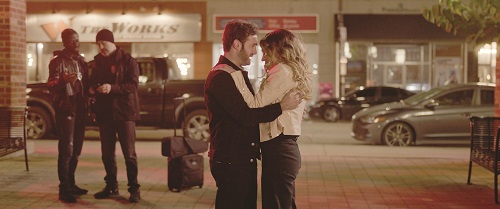
TORONTO – For fans of indie romantic-fantasies, Wisteria offers an interesting and thoughtful cinematic vision. Distributed by Indiecan Entertainment, the film is playing at Toronto’s Carlton Cinema this week from July 10th until Thursday, July 16th, with daily screenings at 6:30 p.m. Opening weekend audiences can also catch special post-screening Q&A sessions with the creative team.
The movie marks a significant milestone as the feature-length directorial debut of filmmaker Nina Moscone Marrese. Having previously cut her teeth writing and producing narrative short films like Bien, Tile Man, and the post-WWII immigrant drama The Junction, Marrese gracefully steps into the feature director’s chair here.
Collaborating closely with co-director and cinematographer Russ De Jong, the creative partnership feels cohesive and polished. Together, they deliver an array of beautiful frames and seamless narrative pacing that help ground the movie’s magical premise.
Toronto is also openly showcased as itself rather than doubling for a generic American metropolis. By allowing the city to keep its own identity, the filmmakers give the story a grounded, distinctively local charm that avoids feeling forced. Landmark institutions are smoothly woven into the background with sweeping visuals that heighten the story’s dreamlike, romantic qualities, creating an atmospheric backdrop for Alana’s complex emotional journey.
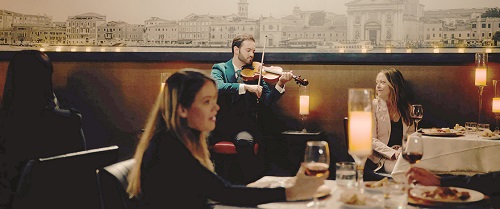
At the center of this romance are lead actors Caitlyn McNerney and Joseph Marrese, who bring the characters of Alana and Jack to life with real warmth and sincerity. McNerney delivers a deeply moving performance that carries the emotional weight of the story, capturing Alana’s profound grief and enduring hope with incredible nuance. Alongside her, Joseph Marrese brings a gentle, grounding screen presence that makes their central bond feel truly genuine, giving the audience a relationship worth rooting for across time.
The film’s most ambitious triumph is how it integrates High Renaissance art and Roman mythology into the plot. The narrative draws directly from the epic poetry of Ovid’s Metamorphoses and Antonio da Correggio’s celebrated Loves of Jupiter painting series, highlighted during Alana’s visit to the Viennese gallery where they’re housed.
Marrese and De Jong mirror these visual metaphors directly with the main narrative. Jack cannot return to Alana in his original physical form, so destiny brings him back in a completely different vessel—the young musical protégé, Gustav. This parallel rewards the audience with immense storytelling depth, proving that ancient myths can still breathe life into modern love stories.
Ultimately, Wisteria is an attempt to ask much bigger, existential questions about human connection and relationships. It is a film that will leave you staring at the wisteria vines, wondering who might be looking for you in the next life. As Marrese herself notes, “Wisteria explores the tension between destiny and choice through a world where love, memory and magic are deeply intertwined. At its heart, the film is about finding light in uncertain places and discovering that the most powerful magic is often found in human connection”.

Massimo Volpe is a filmmaker and freelance writer from Toronto: he writes reviews of Italian films/content on Netflix