Usberti’s Raw Realism at Venice
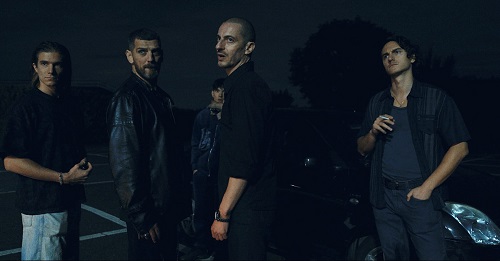
TORONTO – An announcement at the Venice International Critics’ Week recently positioned Prima della guerra as an intriguing point of discussion for filmgoers. As the lone Italian film in the main debut feature competition, director Tommaso Usberti’s film invites curiosity regarding how it will approach its thematic focus. The early chatter surrounding the lineup release introduces a compelling question: will the film lean into the familiar, predictable traps of ideological “woke cinema”, or will it deliver a more nuanced, deeply felt human tragedy.
The film centers on Guido, a 23-year-old man whose identity is tightly bound to the casual violence, racism, and intense misogyny of his provincial Northern Italian town. When he falls for a young Kosovar immigrant named Sonia, his rigid worldview begins to fracture, forcing a choice between his toxic upbringing and an alternative future.
This narrative structure inevitably raises questions for a segment of the film community weary of contemporary tropes. There is a natural curiosity about whether Usberti intends to paint traditional masculinity with a broad, entirely negative brush, or if the film will leave room to acknowledge masculine virtues like protection, accountability, and strength.
Festival General Delegate Beatrice Fiorentino notably framed the film not as a simple lecture, but as a space of “possibility to imagine other forms of existence and survival”, raising hopes for a multi-layered perspective. The hope is that the film might echo the legacy of older Italian cinema, which frequently celebrated traditionally virtuous manly men.

Classic works by directors like Vittorio De Sica or early neorealist epics often showcased working-class male protagonists who, despite crushing poverty and systemic hardship, maintained deep dignity, a fierce protective instinct for their families, and an unshakeable sense of honor. Films like The Bicycle Thief historically leaned on masculine resilience as a pillar of community survival, rather than a social illness.
Furthermore, the anticipation surrounding Usberti’s debut highlights a broader asymmetry in modern screenwriting. While contemporary filmmakers frequently dedicate entire projects to dissecting the flaws of male peer pressure, there remains a notable absence of films exploring the inverse concept of “toxic femininity”, such as the psychological manipulation or relational aggression that can exist within female social dynamics.
Whether Prima della guerra will successfully break away from this predictable festival formula or simply surrender to it remains to be seen. In the absence of an official director’s statement, we are left to interpret the festival’s brief summary notes, which describe an unsettling, atmospheric portrait of the Po Valley landscape – mirroring the characters’ internal struggles.
Ultimately, without any personal insights from Tommaso Usberti or an actual screening to judge, deciphering the movie’s true message is pure speculation. Filmgoers can only watch and wait, remaining hopeful that the narrative transcends standard gender-based critiques and offers something genuinely substantial.
Images courtesy of Eolo Film Productions and MIR Cinematografica

Massimo Volpe is a filmmaker and freelance writer from Toronto: he writes reviews of Italian films/content on Netflix