The Venice Film Festival: a new Reality
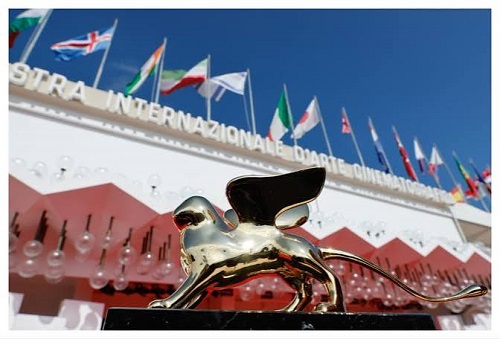
TORONTO – The financial restructuring of Hollywood is beginning to reshape the landscape of the autumn festival circuit, and Venice is finding itself directly in the crosshairs. For decades, the Lido served as the premier, golden launchpad for major American studio awards campaigns. Today, however, a combination of corporate austerity and the terror of early critical execution is forcing major Hollywood players to reconsider their relationship with Italy’s most prestigious cinematic showcase.
Faced with rising production costs, a shrinking global box office, and intense corporate pressure to make streaming services profitable, studios are aggressively slashing their marketing expenditures. Flying a full promotional entourage to a luxury Italian resort is an immense expense that finance teams are increasingly slashing – apparently.
At the same time, the ongoing hangover from recent multi-month industry disruptions has severely bottlenecked studio pipelines. There are simply fewer high-profile titles ready to meet Venice’s late-August programming deadlines.
The retreat, however, is not merely financial. It is protective. The ultimate danger of the “Venice Curse”, where a single morning press screening can completely derail a multi-million-dollar investment, has terrified studio executives. A prime example of this occurred when Warner Bros. brought Todd Phillips’s highly anticipated Joker: Folie à Deux to the Lido. Instead of replicating the original film’s Golden Lion triumph, the sequel was thoroughly blasted by festival critics.
The immediate, savage wave of early reviews created an instantly toxic narrative that severely damaged the movie’s box office potential weeks before it could reach paying audiences. To avoid this type of critical damage, major studios are increasingly opting to shield their films.
They are choosing alternative distribution playbooks over the volatile reception of festival audiences. This defensive pivot toward intimate arthouse cinema is a necessary survival strategy for Venice, which is facing a historic pullback from major American production houses.
Venice Film Festival artistic director Alberto Barbera directly addressed the industry’s changing landscape, stating bluntly, “The problem is Hollywood. They face a huge crisis. They’re producing fewer films, more costly. Some of them work very well and some of them are, on the contrary, a commercial disaster. So they don’t know what to do”.
For Venice, which has long relied on its prime position at the start of the fall Oscar corridor to maintain global relevance, this studio pullback presents an identity challenge. As major American blockbusters scale back, the festival is being forced to rely more heavily on indie heavyweights like A24 or international co-productions to fill the prestige vacuum.
Of course, the scaling back of major studio films does not mean the Lido will be entirely deprived of its traditional American glamour. No matter how few American movies are screening in competition, we can always count on Hollywood’s most dedicated A-listers to faithfully make the long journey across the Atlantic. Even if it’s to merely lecture the international press corps on global geopolitics, and how the rest of the world should be run.