Italy to Turn Film Credits into Commercials

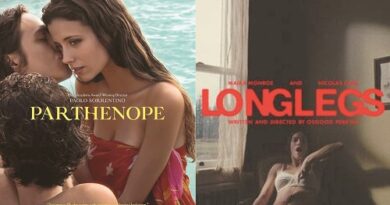
TORONTO – The Italian Ministry of Tourism’s new pilot initiative, “Che spettacolo l’Italia!” (“What a movie Italia is!”), wants to turn cinema directly into a travel agency. The project offers producers up to €400,000 to attach a narrative short film to the tail-end of major feature releases, where actors and directors step out of character to pitch the real-life filming locations to the audience.
With the public notice opening on November 10, 2026, producers must act quickly before the strict cutoff date for submissions closes later this winter. For some however, the initiative signals a depressing milestone in how 21st century marketing relentlessly beats people over the head.
The credits used to be a sacred space. It was that brief, fragile window where the lights stayed dim, the music swelled, and you sat in the dark processing the drama you just witnessed. In that afterglow, art did its real work. If a film was beautiful, it lingered. If it captured a sun-drenched street in Puglia or a moody alleyway in Naples, it quietly seeded a desire to go there. You didn’t need to be told to buy a ticket. The art did the heavy lifting by simply existing.
But in the 21st century, marketing demands that no space remain unmonetized. We are constantly barraged by a relentless influx of content, ads, and algorithmic feeds designed to convert every human emotion into an immediate transaction. By forcing a film to instantly unmask itself and morph into a high-end travel brochure, this initiative threatens to cheapen the entire artistic medium. To secure the cash, films must run a mandatory opening title card declaring their intent to promote Italian tourism.
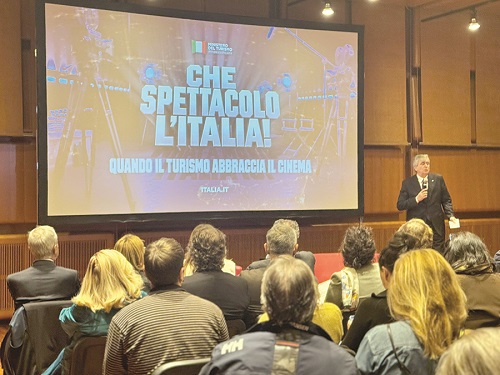
It takes the art form down a path far more gratuitous and damaging than the product placement booms of the ’80s and ’90s. When a character held a specific brand of soda in a nineties blockbuster, it was cynical, sure, but it didn’t break the fourth wall to give you a coupon.
This new initiative doesn’t just place a product within the story, it completely hijacks the story’s conclusion to make a direct sales pitch, screaming: “Hey, if you liked this town, you should book your ticket to Italy today!”
To be fair, movies have always been inherent marketing tools. The very nature of the medium is aspirational.
The camera romanticizes landscapes, and great films have naturally driven tourism for a century without state mandates.
Audiences flock to Italy because they want to feel the atmosphere of the stories they love, not because a director stepped out from behind the camera to hand them a travel itinerary.
When you subsidize the immediate destruction of the cinematic illusion, you aren’t supporting art, you are turning filmmakers into ad agencies.
Cinema shouldn’t have to carry a mandatory disclosure card or explain its own scenery. True art inspires people to travel precisely because it doesn’t ask them to.

Massimo Volpe is a filmmaker and freelance writer from Toronto: he writes reviews of Italian films/content on Netflix