Depriving Americans of Vivaldi
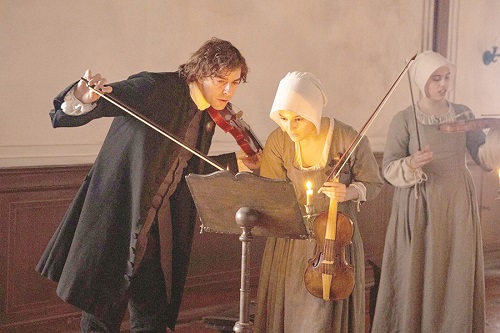
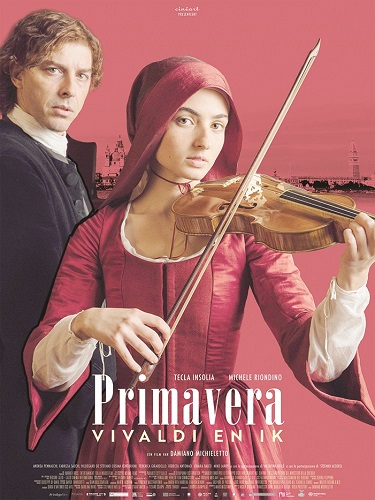
TORONTO – Damiano Michieletto’s feature directorial debut, Primavera, is currently sweeping through a massive international theatrical rollout across over 50 countries, thanks to major distribution powerhouses like Warner Bros. and Memento International. Set in 18th-century Venice, the film tells the story of a young violin prodigy developing her craft under the strict, brilliant mentorship of Antonio Vivaldi.
Having already earned a selection at the Toronto International Film Festival and picked up specialized accolades like the David di Donatello awards for its gorgeous score and costume design, the film has amassed a warm wave of positive early reviews from its international festival run.
Yet, despite this worldwide momentum, American audiences are being completely bypassed for a standard commercial release. Hollywood distributors have deemed a subtitled European biopic about a classical composer far too high a financial risk, confidently predicting a total lack of audience interest in the United States.
It is just another classic misfire by Hollywood executives who routinely demonstrate less business sense than an eight-year-old behind a lemonade stand. Almost always a few clowns short of a circus, the financial decision-makers behind major US studios put more effort into hiding high-quality international products than maximizing their profitability and global visibility.
To assume an American audience doesn’t exist for Vivaldi is utterly counterintuitive. The truth is, the American public has been intimately raised on Vivaldi’s melodies from infancy; they just suffer from a passive familiarity that distributors are too blind to recognize.
From early childhood, generations of Americans have been exposed to the bouncing, energetic violin strings of The Four Seasons through cartoon staples like Looney Tunes and The Simpsons, which frequently use the light notes of “Spring” as a baseline auditory joke.
As those audiences grow up, Hollywood itself eagerly uses Vivaldi to sell high-stakes entertainment. Look no further than John Wick: Chapter 3 – Parabellum, a multi-million-dollar blockbuster studio franchise that relied heavily on the frantic crescendos of Vivaldi’s “Winter” to score one of the most violent, rhythmically precise action sequences in modern cinema history.
Even The Sopranos, widely considered one of the most successful and critically acclaimed television shows in American history, routinely leaned on Vivaldi’s Baroque arrangements to accentuate the dark, high-class contrast of its characters.
The decision-makers in charge of North American distribution are completely overlooking the landscape. They refuse to spend the necessary marketing dollars on foreign cinema because a select few executives either lack the artistic knowledge or arrogantly assume the American public isn’t sophisticated enough to buy a ticket for a subtitled film. It’s entirely silly, considering how deeply embedded his music already is in everyday commercials, TV, and movies.
By hiding a film like Primavera away from US theaters, Hollywood is proving once again that it simply doesn’t believe in its own audience enough – missing a massive opportunity to expand, innovate, and profit from international cinema far more than it actually knows.
Images courtesy of Memento International/Indigo Film
Massimo Volpe is a filmmaker and freelance writer from Toronto: he writes reviews of Italian films/content on Netflix