Matilde De Angelis Shines in Balcanica
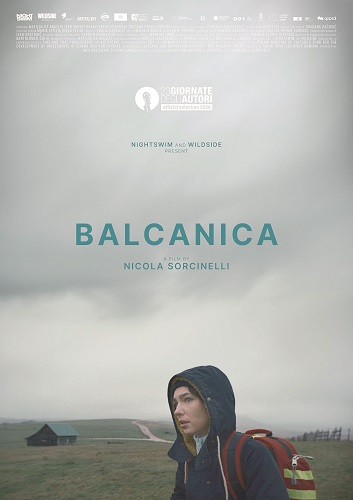
TORONTO – As Nicola Sorcinelli’s highly anticipated drama Balcanica prepares to hit theaters on October 8, it brings with it a narrative that goes far beyond a standard migrant chronicle. In an era where domestic audiences frequently lament the state of their nation, wrestling with economic stagnation and a fractured political landscape, the film acts as a necessary psychological mirror.
The plot follows a moving journey of artistic survival. Nazar, a respected Afghan orchestra conductor, and his teenage son, Jalil, are forced to flee their homeland after the ruling regime completely outlaws music. Stripped of their identity, their instruments become both their burden and their salvation as they navigate the brutal realities of the notorious Balkan Route.
When Nazar falls critically ill in a makeshift border camp, their fates collide with Greta, an idealistic young Italian doctor on her first humanitarian mission. This encounter sets off a chain of ethical and human dilemmas that challenge the boundaries of compassion. Director Nicola Sorcinelli notes that the core inspiration for the project “is rooted in a lifelong anger at the ways freedom can be withheld, controlled or silenced”.
Sorcinelli’s film doesn’t deliver a dry, clinical political story. He explains that co-writer Andrea Brusa and he sought to “bring to the tale a western gaze, in the person of Greta, a character who expresses our point of view,” while anchoring the narrative around the extreme physical endurance of the human body.
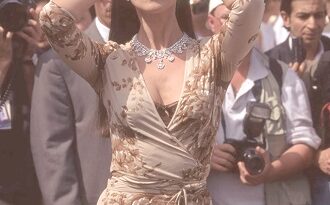
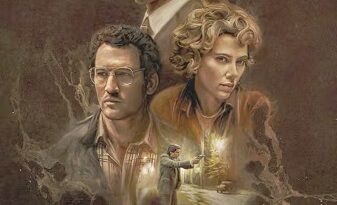
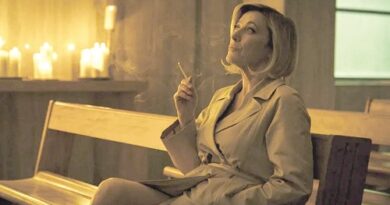
Matilde De Angelis delivers a towering performance as Greta. In a contemporary landscape where young talent often succumbs to the allure of empty, big-budget commercial blockbusters, De Angelis continues to distinguish herself as an actress of rare artistic integrity. By deliberately choosing demanding and rich roles in features like Balcanica, she actively resists the formulas of easy stardom.
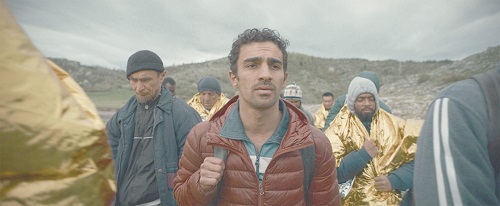
Through Greta’s upended worldview, Balcanica masterfully articulates the concept of Italy as a “Promised Land”. For decades, contemporary Italians have cultivated a habit of viewing their country through a lens of bureaucratic frustration and systemic fatigue.
Yet, when Greta steps into the border camp, her domestic grievances are completely shattered by the reality of the refugees standing before her. To the father and son fleeing the tyranny of an absolute ban on expression, Italy is not a place of political deadlock or economic worry. It is a sanctuary of absolute freedom.
It is a land where a young boy can pull a tuba out of its case and play it freely in the middle of a public street without the threat of execution. It is a refuge where art is treated as a safe, sacred extension of humanity, and where the basic right to exist is fundamentally guaranteed.
When we see the huge physical sacrifices that Nazar and Jalil make just to cross the border, it hopefully inspires us to rethink how we look at our own country. It changes our usual complaints and exhaustion into a sudden, deep gratitude for the everyday freedoms we take for granted.
Images courtesy of Fandango
Massimo Volpe is a filmmaker and freelance writer from Toronto: he writes reviews of Italian films/content on Netflix