Guadagnino Slams Commercial Cinema
TORONTO – This year’s Locarno Film Festival has transformed into an active soapbox for independent filmmakers to voice their deep frustrations with the industry. Luca Guadagnino leveled a direct attack on the structural choices crippling Italian independent art, identifying a root cause in Italy’s television history.
Guadagnino argued that the historical rise of commercial, private television networks permanently damaged domestic filmmaking. His talk echoed intense remarks delivered by Marco Perego last week, warning indie artists against compromising true cinematic art for corporate formulas.
In Guadagnino’s view, this commercial shift broke the very foundation of how stories are visually told.
Speaking to crowds of international producers and creatives, Guadagnino asserted that “modern Italian movies have essentially become television scripts shot on slightly better cameras”. He claims it is a watering down of form where the distinction between cinema and television is being systematically erased.
Instead of pushing visual boundaries, modern projects rely on dialogue-heavy, flat structures that belong on a small broadcast box rather than a cinema screen, according to Guadagnino.
He laments that Italian directors have forgotten how to compose images that speak for themselves.
Against this background, Guadagnino explained how the national landscape has grown “sterile” because major financiers rely on safe, institutional formulas that suppress genuine authorship and creative risk.
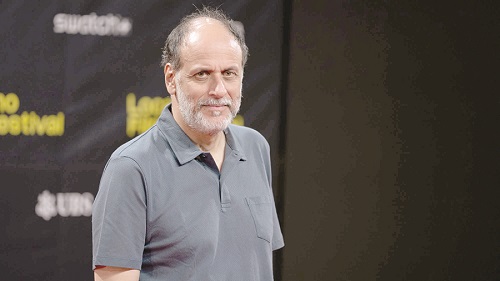
Doubling down on Perego’s charge that financiers and bureaucrats manage art through spreadsheets, Guadagnino (in the pic below) feels Italy’s film product is experiencing creative stagnation.
Auteur voices are forced to filter their creative instincts through predictable boxes, prioritizing safety over subversion. But this sterile corporate culture, according to indie artists like Guadagnino, strips away the messy artistic experimentation needed to create lasting, classic films.
This rigid structure is something the director knows intimately. His highly anticipated film Artificial – a project charting the rise of OpenAI CEO Sam Altman – was abruptly dropped by Amazon MGM Studios despite being nearly finished.
Corporate ties and massive tech partnerships overrode artistic investment, forcing the filmmaker to look for independent avenues to save the vision from being buried.
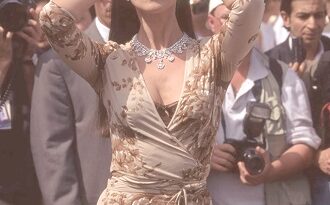
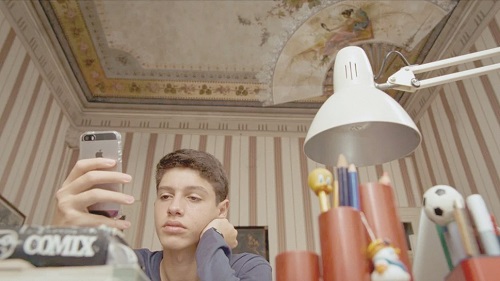
Guadagnino’s banner (Frenesy Film Company) is now aggressively backing fresh blood. He is producing Ketticè, a Palermo-set drama directed by his former assistant Giovanni Tortorici. The film deliberately avoids typical studio formulas. Starring screen icon Monica Bellucci, who captured a major acting award at the festival, the film combines classic Italian flair with a bold coming-of-age viewpoint.
For Guadagnino, protecting these emerging, unconventional voices is the only way to revive domestic authorship. Whether Guadagnino is precisely correct on the topic is matter of opinion, but by backing films like Ketticè he’s certainly doing his part to nurture artistic expression. Or as he sees it, to protect the art form from corporate control.
Image of Ketticè courtesy of Piper Films/Rai Cinema
Massimo Volpe is a filmmaker and freelance writer from Toronto: he writes reviews of Italian films/content on Netflix