Resurrecting Jesus in Italy
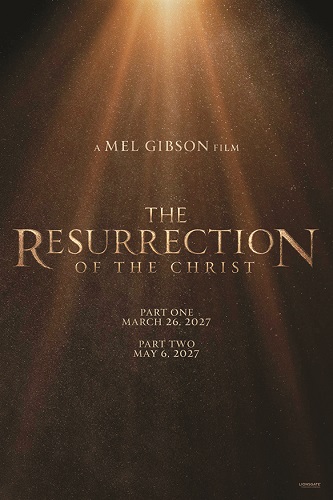
TORONTO – While Hollywood scratches its head over declining box offices, Mel Gibson is currently embedded in Toronto, anchoring the intensive post-production phase for his upcoming epic, The Resurrection of the Christ. While the choice of Canada for sound mixing and visual effects makes the project current, the true soul of what will likely become Gibson’s career masterpiece belongs entirely to Italy.
Over twenty years after Mel Gibson’s self-financed The Passion of the Christ blindsided the industry, Gibson is poised to teach a stagnant Hollywood another lesson on how to bring audiences back to theatres.
It is a lesson major studios desperately need. In an era dominated by caped crusaders and tired franchise sequels, Hollywood remains completely blind to the fact that the story of Christ is the ultimate superhero movie. Here is a figure who performs miracles, confronts cosmic evil, breaks the physical boundaries of death, and commands a multi-millennial fanbase.
Yet, traditional studio executives continuously refuse to bet on it, terrified of the cultural weight. Not to mention many of the studios are too creatively bankrupt to approach the material with genuine artistic reverence.
Gibson, operating entirely outside the studio system, suffers from no such hesitation. To map out the dense, non-linear metaphysical journey of Christ’s descent into hell to wage a supernatural war against fallen angels – a theological concept rooted in 1 Peter 3:19 and Ephesians 4:9 – Gibson opted out of using green-screens and returned to the heart of Italian cinema in Rome (Cinecittà).
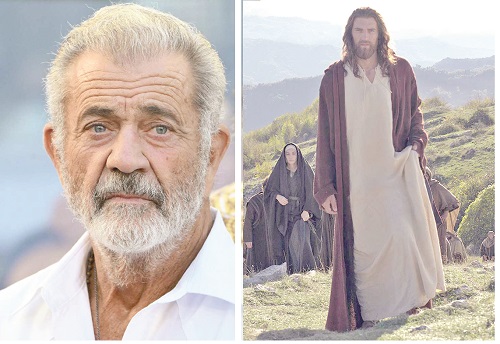
The project stands as a massive testament to the local film industry. The grueling 134-day shoot leaned heavily on the craftsmanship of Italian crews, technicians, and local artists, injecting millions into the domestic economy during a highly precarious financial period.
Production design was anchored inside the historic Teatro 5 at Rome’s Cinecittà Studios, the legendary creative home of Federico Fellini, while the ancient, rugged landscapes of Matera and Puglia provided a visual authenticity no computer algorithm could replicate.
Additionally, Gibson deliberately surrounded himself with premium Italian talent, enlisting acclaimed local actors like Riccardo Scamarcio to play Pontius Pilate and casting Rome-born breakout star Mariela Garriga as Mary Magdalene.
Gibson even emulated Caravaggio’s chiaroscuro techniques to elevate the material from a simple historical drama into a profound, visual work of art. “I think his work is beautiful. It’s violent, it’s dark, it’s got a strange kind of spiritual light to it…I wanted it [this film] to look like a Caravaggio painting”.
The Resurrection of the Christ treats the Italian film community not as a passive backdrop, but as a vital creative engine. Gibson’s filmography is a testament to the philosophy that true cinema isn’t manufactured in corporate boardrooms, it is crafted through passion, heritage, and story. When the film finally hits theatres, Hollywood will wonder how an independent project stole the global spotlight once again.
And when Hollywood eventually breaks down the anatomy of Mel’s next box-office miracle, they’ll find that Italy was the secret ingredient.

Massimo Volpe is a filmmaker and freelance writer from Toronto: he writes reviews of Italian films/content on Netflix