Creating Canada: fifty years of Farindolesi
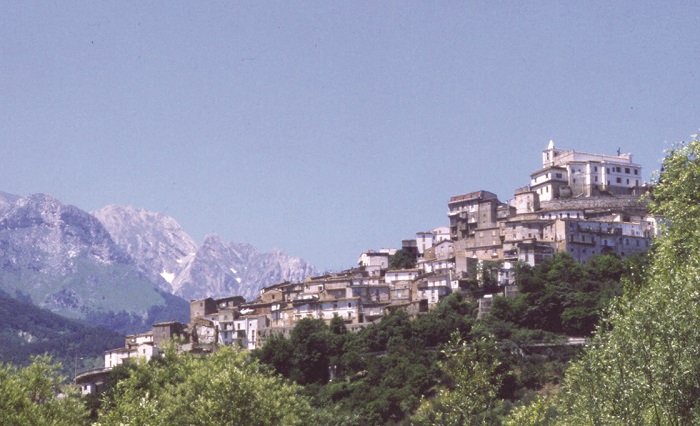
TORONTO – Farming and animal husbandry sustained many families for centuries in the Italian Apennines. but after the devastations of World War II, jobs were scarce. Like hundreds of thousands of their compatriots (“paesani’) in the 1950s and 1960s, the first Farindolesi came to Canada seeking opportunity and a new beginning.
Many found a home in the Niagara Region, where manufacturing, agriculture, construction and the growing local economy offered work and stability for the willing. As those first families settled, they welcomed relatives, friends and neighbours from Farindola, creating a close-knit community that helped shape Niagara’s Italian heritage. Many of these early Farindolesi were also among the founders and volunteers who helped build Club Roma, creating a place where generations could gather, celebrate, preserve their traditions and grow together.
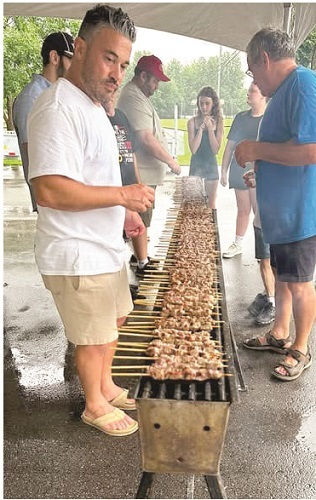
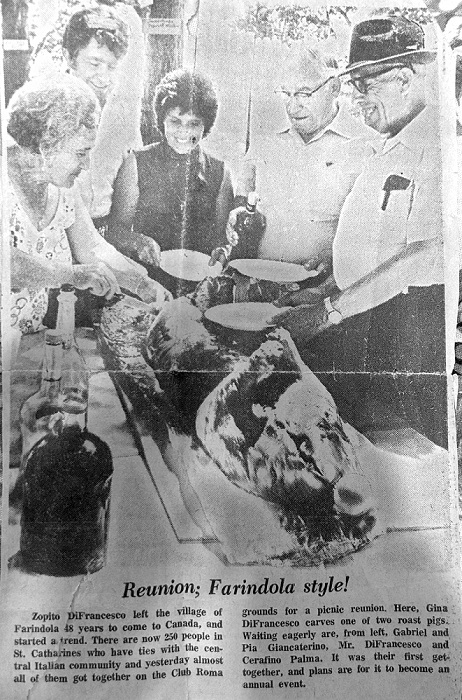
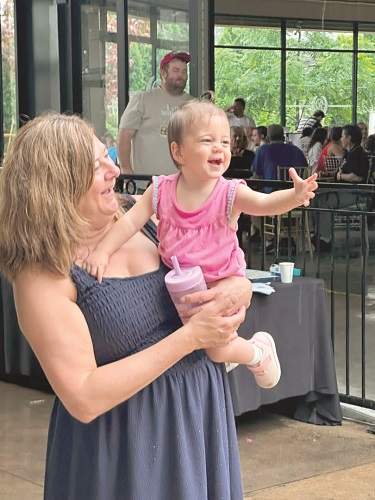
In its early years, families gathered in the wooded picnic area behind the club, sharing homemade food around simple picnic tables beneath the trees while children played and lifelong friendships were renewed. As both Club Roma and the Farindola community grew, so did the picnic. Today, the celebration takes place beneath the club’s outdoor pavilion, welcoming more than 250 attendees while maintaining the same warm, welcoming spirit that has defined it for five decades.
What began as a simple reunion of fellow paesani has become one of Niagara’s longest-running celebrations of Italian heritage.
Today, children, grandchildren and great-grandchildren proudly return each August, introducing the next generation to cousins, neighbours and lifelong family friends who, despite living in different homes or even cities now, have always felt like one extended family.
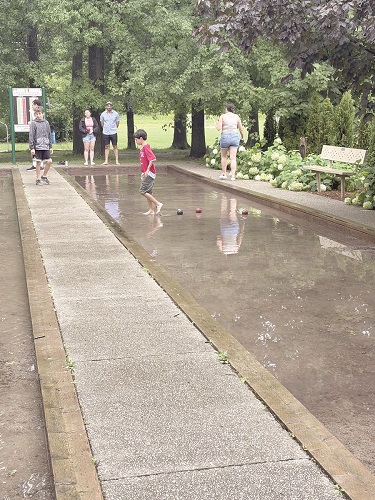
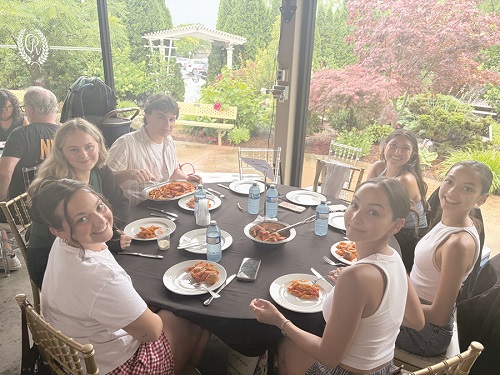
The day is filled with homemade Italian food, traditional Abruzzese dishes, music and dancing, friendly games of bocce and cards, stories shared in both English and Italian, and countless memories around the tables.
While much has changed over the past 50 years, one thing has made it easier than ever to stay connected. The Farindola community now shares stories, old photographs, family news and memories throughout the year through its Facebook group, allowing relatives and friends across Niagara and around the world to celebrate their heritage together and remain connected between picnics.
“It isn’t just a picnic,” says one longtime member. “It’s our family reunion. Even if we aren’t related by blood, we’re all paesani.”
Over five decades, the gathering has celebrated weddings and births, welcomed new generations, honoured milestone anniversaries and remembered the pioneers whose courage and determination built new lives in Canada, yet never forgetting the village they left behind.
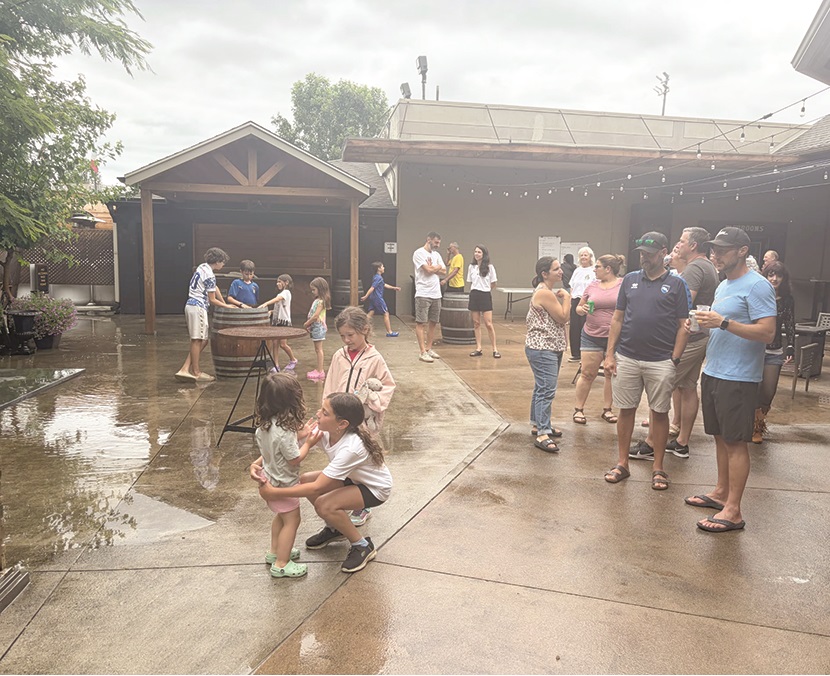
This past Sunday, despite torrential rains and tornado warnings, 300 Farindolesi demonstrated the resilience for which Italians abroad have earned a reputation: smile, make the best of anything and enjoy your family: the Club Roma of 50 years ago is now a multi-purpose facility – together with a covered pavilion to weather the storm.
While many of the original immigrants are no longer with us, their legacy lives on through the generations who continue to gather each summer. The annual Paesani Picnic is more than a celebration; it has become an annual rite to remember who we are and to reinforce the ties that helped us succeed in the face of life’s challenges.
We may have left Farindola, but Farindola has never left us.
Article by Mirella Colantoni, in collaboration with the Hon. Joe Volpe, Publisher
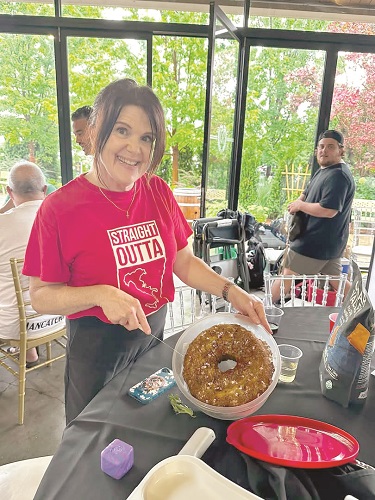
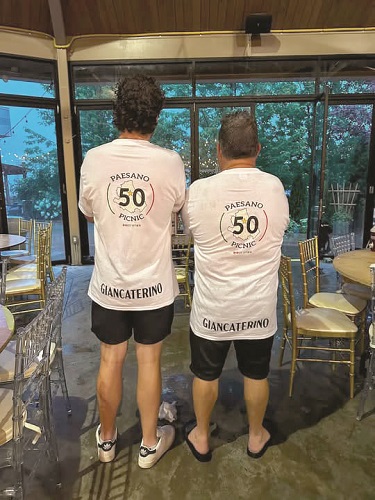
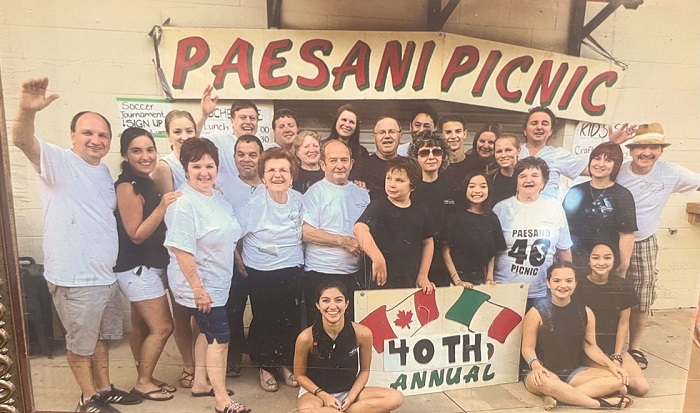
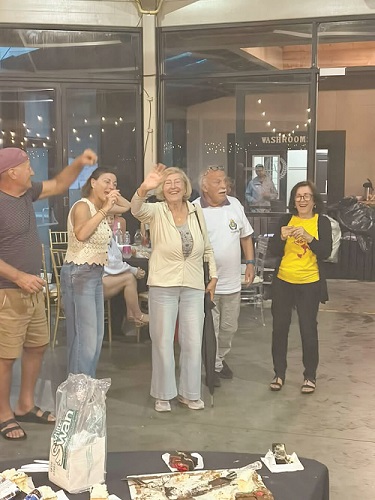
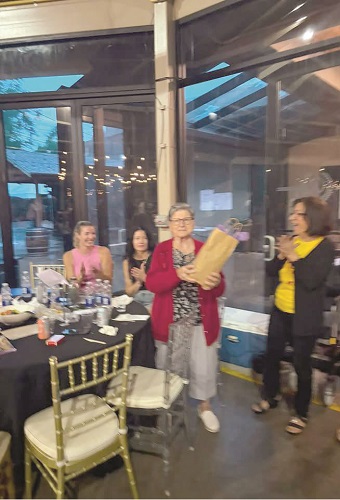
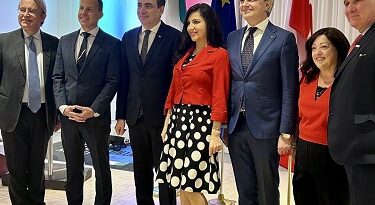
Here below is Marissa Giancaterino in Muraca, President of the Organizing Committee; following, a photogallery from the event, including some vintage photos as well…