Identity, Cultural Appropriations, possessions and ownership

TORONTO – As a people, we vest a great deal in vocabulary that purports to depict who we are in the finest of imagery. In this, it can be safely said that there are few if any exceptions. Today, our “sovereignty” is paramount; our language shows our independence if not our uniqueness – in thought, emotion and values. Our “creations” live on and [if prized by others] bear testimony to the fact that “we counted”,
We “borrow”, “adopt”, “imitate” to generate what approximates what we do not originate and earn value by repetition and adaptation. The originals retain their special attraction and creation. In part because “the culture” (people interacting in a social, ideological setting) that generates singular behaviour and how it manifests itself in the most locale-specific peculiarities.
Italy, with its more than 3,500 years of recorded history and an enviable multiplicity of peoples whose interactions, often strained but always productive, continues to populate the artistic, architectural, engineering world with wonders that transcend millennia and continental geographies. Like a good mater et magistra it absorbs and re-distributes.
In so doing, it has contributed to the development of a culture that acknowledges source and “returns” what is not meant to be kept by any other that the creator society without the appropriate procedures. Sharing, yes, but there can be no “sacking and pillaging”.
Recently, the Riboldi Law group, in its capacity as legal counsel to a private Estate, found that its client had assets of cultural- historical value whose ownership could not be traced to a legitimate, authorized vendor. Sara Riboldi said my client was insistent that the assets be returned intact to “the original owners”, and when they cannot be reasonably found, because of passage of time or death, the originating State government is considered by International Law to be the rightful heir. That law dates back only to 1979.
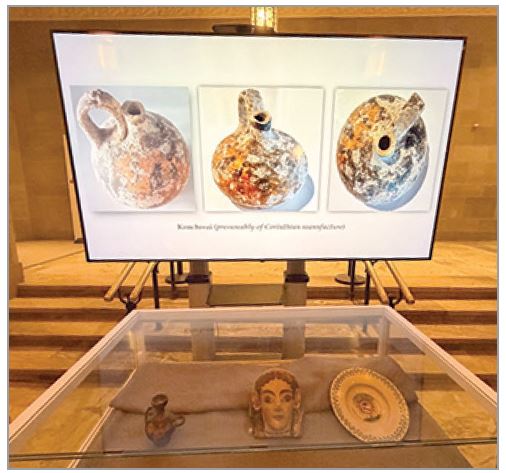
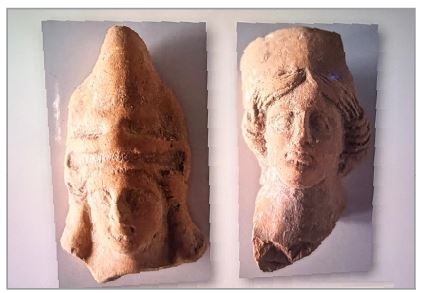
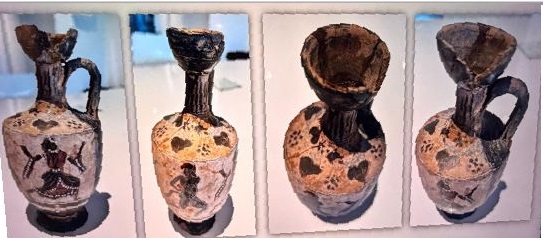
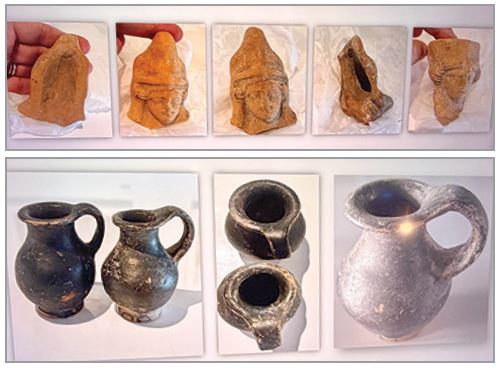
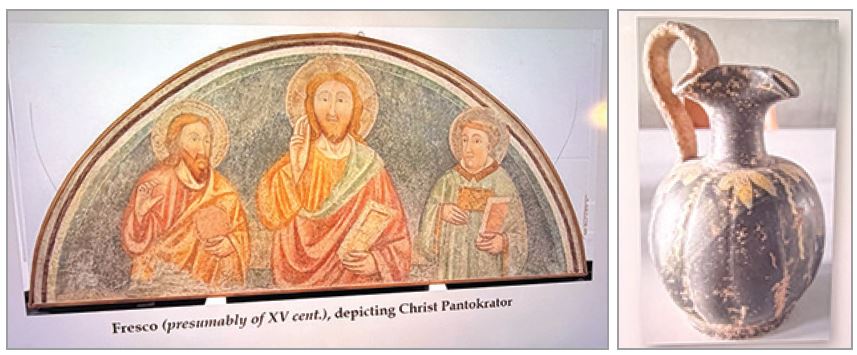
Some of the artifacts date to the Etruscan period, whose end is generally accepted to coincide with the end of the Etruscan rule over Rome in circa 500 BCE. Others can be dated to the Greek colonies in Magna Grecia in the 400s BCE. Still others to the more “modern” post Roman period of Barbarian rule.
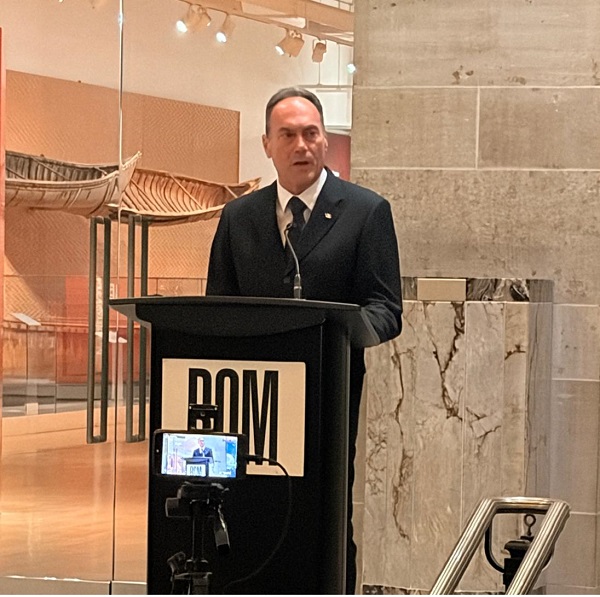
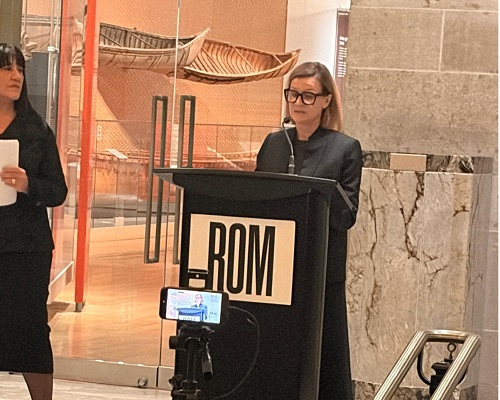
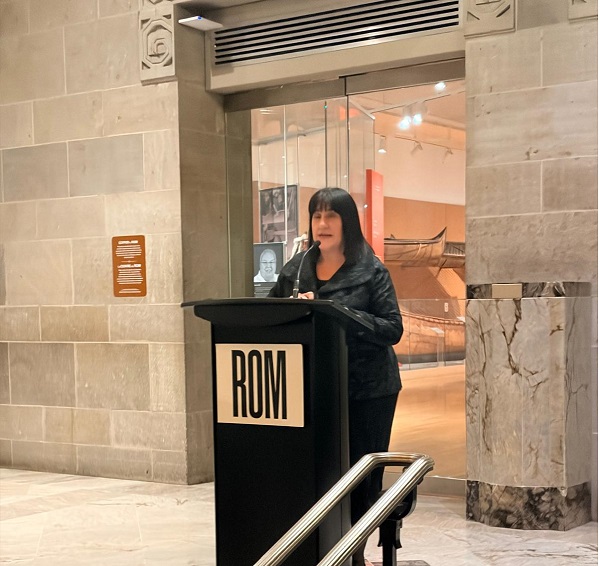
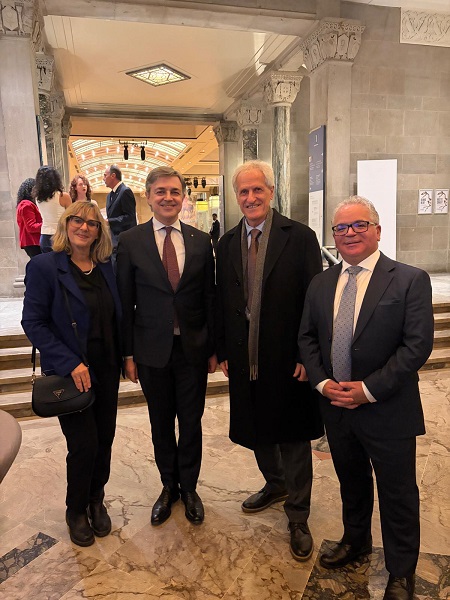
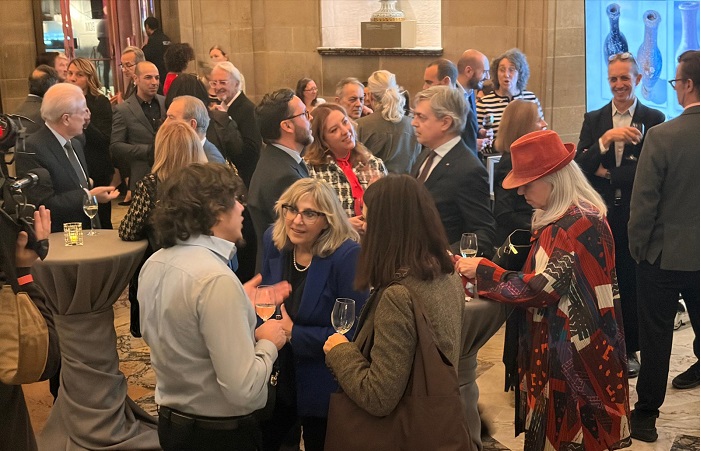
No matter the origins, the return requires a rather complex and elaborate co-operation by various State authorities to document, authenticate, verify, protect product and make arrangements for return. Wednesday, November 26, at the Royal Ontario Museum, interested groups of professionals, “interested parties” and community representatives were invited to witness first-hand the complexities of the “hand over”.
Led by the Italian Ambassador, H.E. Alessandro Cattaneo, officials from the Gardiner Museum (storage for some of the assets), The Royal Ontario Museum, Riboldi Law, Canadian Heritage, the Italian Institute for Culture, the office for Italian Heritage Assets (Carabinieri) and the Office of the Toronto Consulate General headed by Consul General Andrea Bertozzi officiated over the consignment of the assets to the Consulate for dutiful packaging and rightful return to Italy.
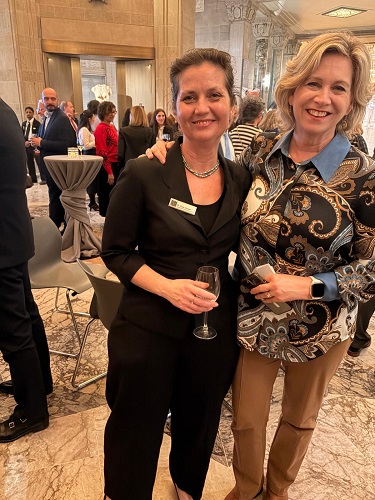
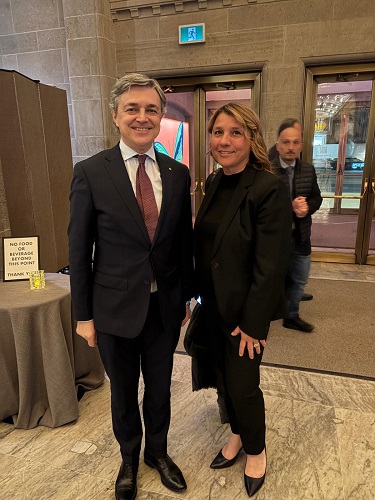
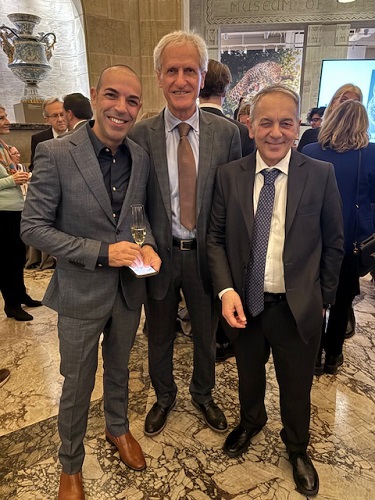
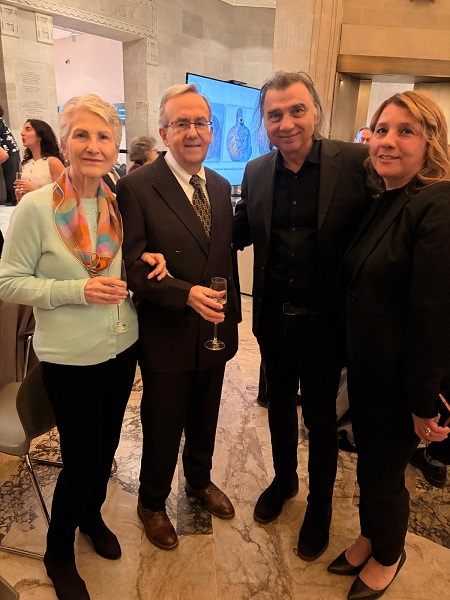
Here below is a photogallery from the event, followed by images of the antiquities returning to Italy (photos: Corriere Canadese)