The press has a value that no one wants to pay

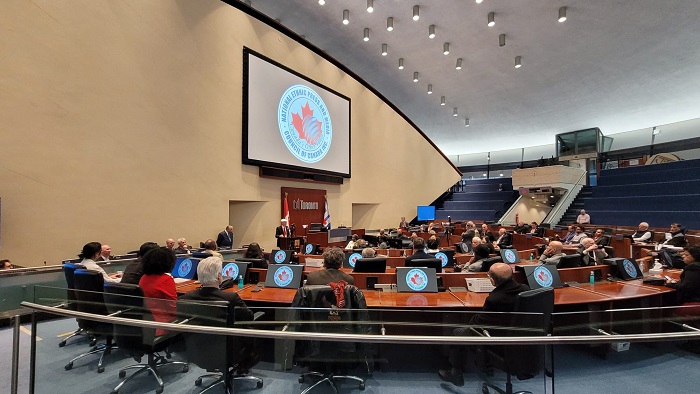
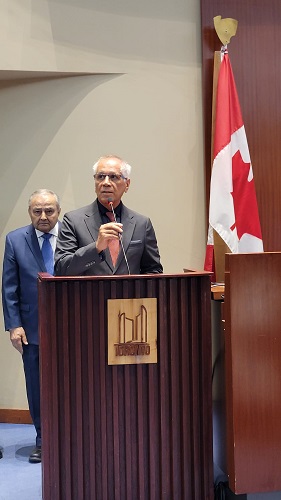
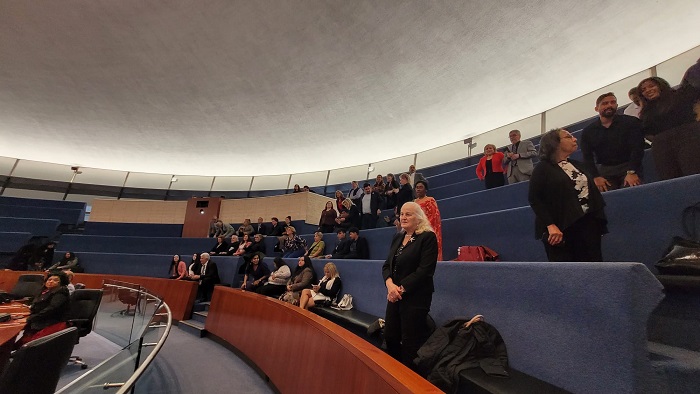
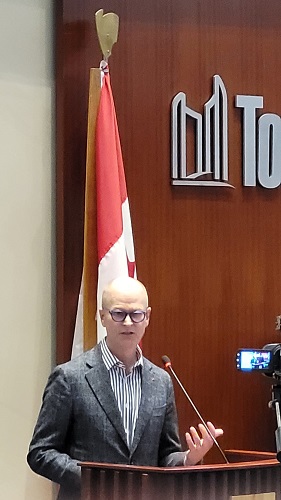
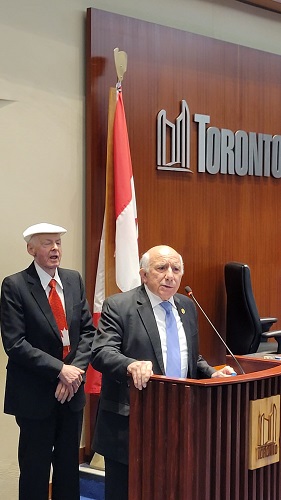
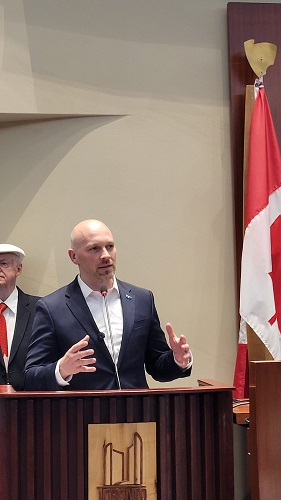
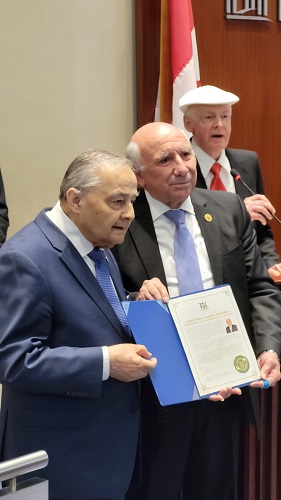
TORONTO – Life is filled with ironies. Personal convenience is often confused with a collective good. A journalism association, of which the Corriere is a member, celebrated World Press Freedom Day on May 1 in the Toronto City Hall Council Chambers. The actual day falls on May 3, a Sunday; but if one wants to have “local” politicians attend at the awards…
You know where this is going…
First, the “ceremonies” were intended to celebrate individuals who, in the exercise of duties, exemplified characteristics and professional practices reflective of a practitioner who assiduously pursues “the truth” – something any worthwhile journalist should do. Therefore, research (investigative journalism, most often) must precede expression of point of view.
Done with studious attention to data and detail, it could afford the writer/presenter with the opportunity to “speak truth to power”, to provide the oversight/vigilance to nurture the democratic values our society claims to uphold and to identify the values that transcend partisan interests – good, bad or indifferent. A healthy journalism is often the thermometer that measures the health (institutions, economy, judicial and enforcement…) of the society it examines.
Regrettably, in 2025, Canada Action [research co.] found a severe drop in the quality of those criteria and at consequential virtual collapse for support for the sector (otherwise known as the fifth estate) practically everywhere. Canada now ranks an abysmal 21st in the world in that study.
Which may lead to a tortuous second point as to the potential reason. It takes money to keep such an enterprise (invigilator and promoter for what is desirable) active. The private sector is understandably interested in promoting that which may enhance reputation and prompt a return on investment. Business opts for that which it can “measure”. Too bad for newspapers and print media in general.
Recent studies into the public’s response to “ad prompts” suggest that “word of mouth” (47% of respondents) is the most effective because the public has a short attention span and requires immediate validation (hello “views”) – less so thoughtful consideration, conviction and commitment.
Governments seem to have fallen into the same trap: do not advertise it is a waste of money, and the organization may not be to our liking. The Government of Ontario in 2025 spent $111 million in advertising, less than $1million in ethnic press which reaches 24% of Ontario’s population. Malicious wags might suggest governments do not care for them… except at voting time.
Deprive them of resources and all they have is word of mouth, an exchange of uninformed opinion. Yet this is an unreliable strategy. Rogers Communication, an enterprise dependent on advantage garnered through strategic government access and regulation, just announced a 45% reduction to their 25,000-person workforce. The 10,000 plus personnel “given their pink slip” were largely in the business of sustaining the revenues generated by word-of-mouth business.
A truly free press can only survive if its sustainability is guaranteed. The country has a vital interest in it.
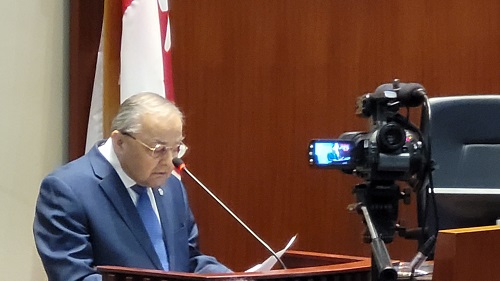
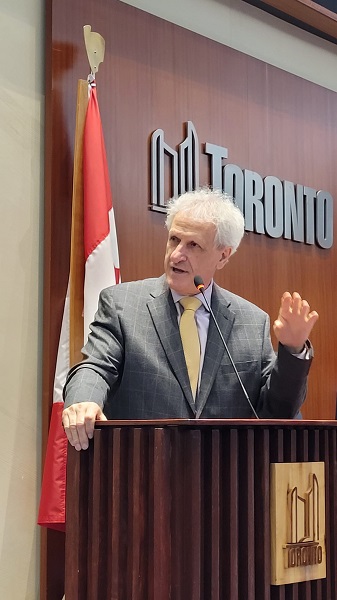
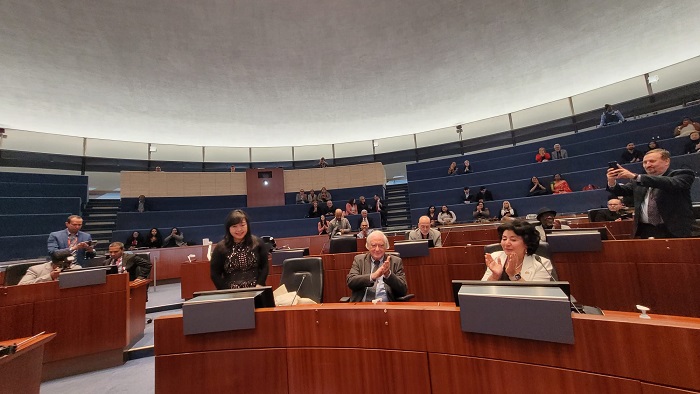
Here below is a photogallery from the event (photos: Priscilla Pajdo / Corriere Canadese)