“Magnetic” Morocco the stage for Muccino’s Melodrama
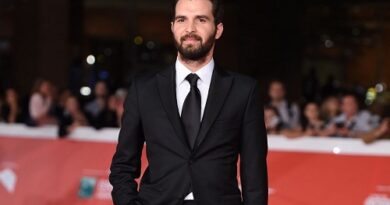
TORONTO – Prominent Italian Filmmaker Gabriele Muccino has just released his latest film Things We Don’t Say, adapted from the Delia Ephron’s American novel “Siracusa”. Both Muccino and Ephron have built their resumes on emotionally driven dramas, albeit from two distinct perspectives and parts of the world. Naturally, the catalyst for their collaboration was an Italian setting – Siracusa – that is until Muccino switched it out for Tangiers, Morocco.
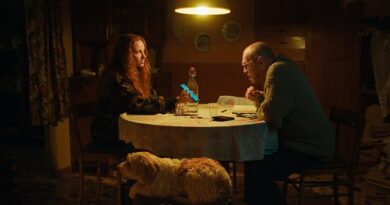
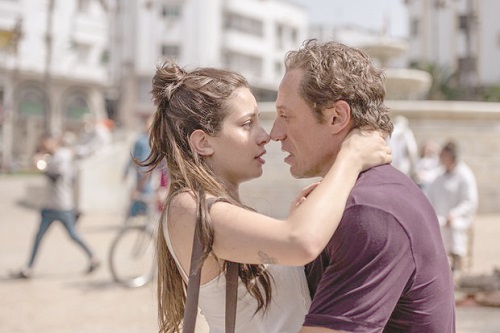
The story is a romantic merry-go-round, involving two middle aged married couples harbouring more angst and secrets than the teenage daughter accompanying them. Carlo and Elisa, played by Stefano Accorsi and Miriam Leone, are a listless married couple looking for a spark in Tangiers. Their friends Paolo and Anna accompany them on the trip – only Paolo is Elisa’s old flame.
If it sounds soapy, it’s because it is. But Muccino’s visual storytelling wrings the schlock from the experience, and any hint of a by-the-numbers melodrama quickly dissolves. His ability to capture the disquiet and tension, and to chronical so cinematically a character’s unravelling, was trademarked early on with his breakout film The Last Kiss.
The 2001 film was Muccino’s Mona Lisa, which catapulted him into the Hollywood sphere. The success saw him directing Will Smith in two Oscar baiting, yet elevated melodramas: The Pursuit of Happyness and Seven Pounds. The Last Kiss also starred Accorsi as a philandering husband, on a spaz about becoming a father.
The two reunite for what seems a rehash of the character. But as Accorsi puts it: “It’s easy to judge a character, but it’s harder to look at ourselves. In Gabriele’s films, the axes shift: the viewer goes from judging someone to understanding himself”. Interestingly Accorsi’s characters, at least in Muccino’s films, tend to be disloyal husbands named Carlo.
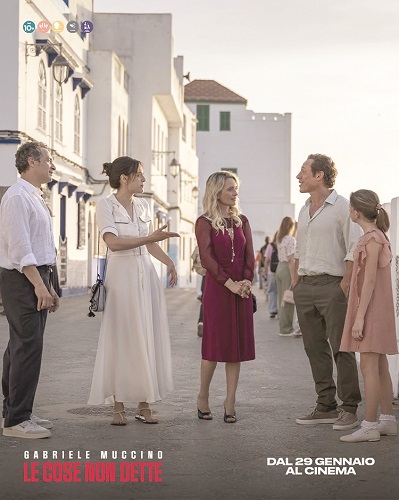
That’s also thanks to Ephron’s plot, which unsurprisingly portrays married men as bored and childish. If audiences can get past the trope of Italian men looking for greener pastures, there’s a worthy exploration of the human tug-of-war with integrity, and the consequences of slipping past your marker.
“There are things we don’t say and we don’t even realize why. In everyone’s life there’s always a sliding door, a watershed moment that divides existence in two”, says Accorsi. Continuing, “How innocent a kiss, a caress, a silence can be, and yet how many consequences it can bring with it”.
All of it was initially envisioned in Siracusa by Ephron’s source material, aptly titled “Siracusa”. Because to many foreigners, Italy is exotic. But as is a common human trait, some Italians suffer from inattentional blindness, failing to see what’s in their immediate vision.
Muccino’s Italian characters seek the exotic outside of Italy – in a city the filmmaker calls “magnetic”. “With a short, simple ferry ride, you find yourself in a completely different place. You’re no longer in the West, so distant…It’s the right place for the characters to lose their masks”. Yes, just keep your knees and shoulders covered please.
Images courtesy of Rai Cinema
Massimo Volpe is a filmmaker and freelance writer from Toronto: he writes reviews of Italian films/content on Netflix